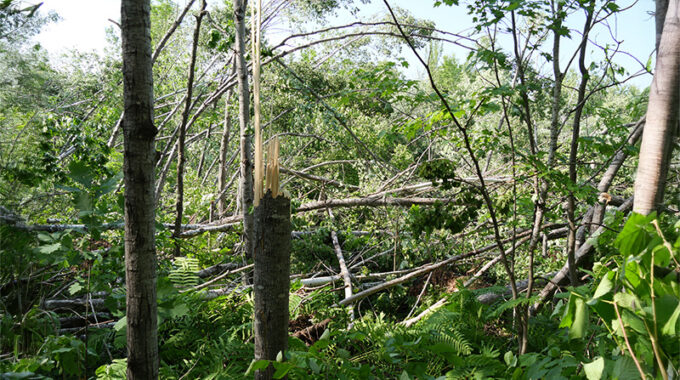
On June 21st of last year, a straight-line wind skipped across the Bayfield peninsula causing damage at Beaver Hollow. Salvage and remediation work has begun.
Tree Planting Spring 2026

Thank you tree Planters and Funders!
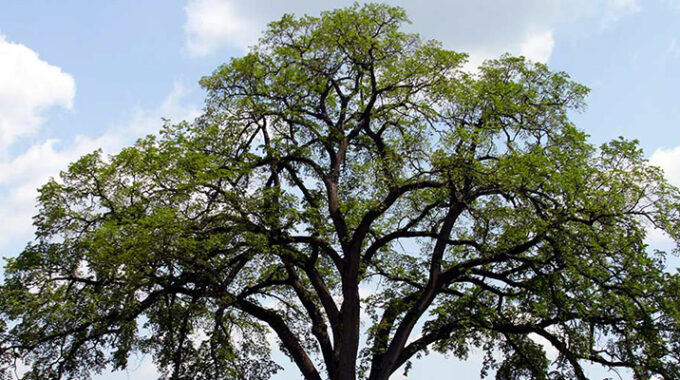
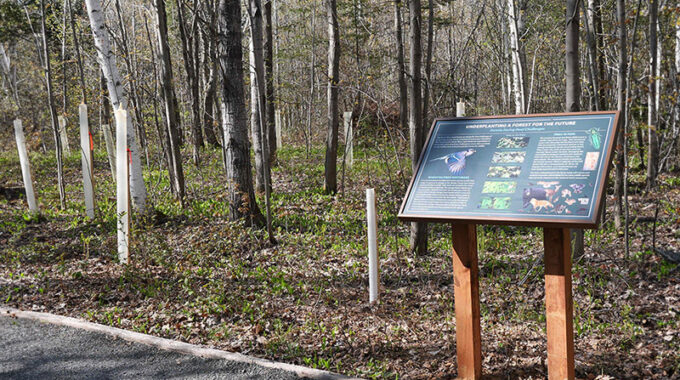
The Friends’ North Pikes Creek Wetlands 5-year forest improvement project is made possible by the dedicated work of an extraordinary group of community volunteers who care about the continued health of our forests and waters, and the associated wildlife species that depend on them. Volunteers planted and protected walnut bare root stock on one weekend in May, and disease resistant American elm and swamp white oak whips the next weekend. Many enthusiastic planters return each year to take part in improving the forest composition for the protection of our local watershed, and ultimately Lake Superior.
This year’s forest improvement undertaking was made possible in part by generous funding from the Fund for the Environment of the Duluth Superior Area Community Foundation, and from Freshwater Future.

Note the preponderance of black ash trees in the wetland forest surrounding North Pikes Creek’s headwaters in the photo above. The FNPCW’s ongoing effort to transition this black ash-dominated forest is a response to the spread of emerald ash borer (EAB) in the area. The Friends’ planting project will transition this forest to stands of diverse native tree species that will thrive in this wetland habitat as the climate continues to warm, and as the ash trees succumb to EAB.
The tree species the Friends are planting will support a wide range of forest and stream-dependent wildlife – including numerous threatened and endangered species – and will continue to meet the needs of the resident wildlife for food, shelter, and breeding habitat. Each species selected will provide value to resident wildlife, as well as to the large number of migratory birds who frequent the North Pikes Creek headwaters region. Most importantly, a healthy forest will protect water quality in the watershed and Lake Superior.
Planting a variety of native tree species increases forest resilience against climate change, promotes disease resistance, ensures consistent ecosystem services, provides rich, biodiverse habitat to support a wide range of wildlife, and protects the health of the waters of North Pikes Creek and downstream Lake Superior,
Related Posts