Our Accomplishments in 2026
Detailing the many accomplishments of the FNPCW organization and its dedicated, enthusiastic volunteers during 2026.
Detailing the many accomplishments of the FNPCW organization and its dedicated, enthusiastic volunteers during 2026.
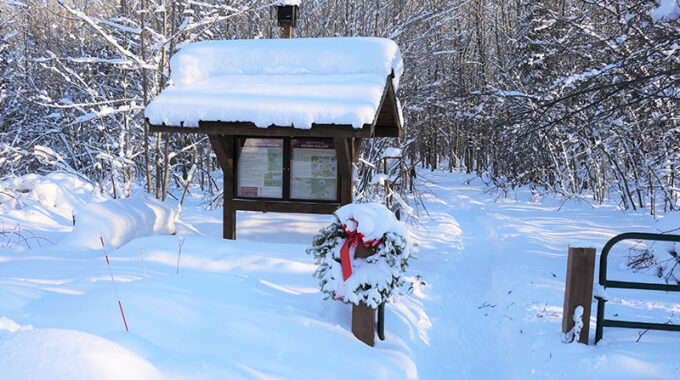
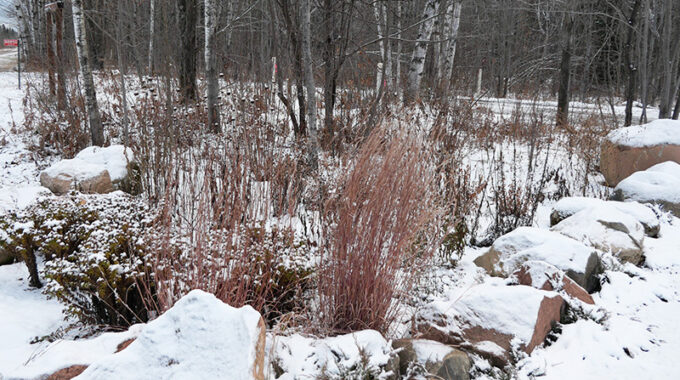
Wildlife employ a variety of strategies for surviving winter's snow and cold. If you know where to look, you'll discover that Beaver Hollow remains full of fascinating wildlife, even in the coldest months. Look carefully and you may spot a cavity, den, or lodge of a Beaver Hollow winter resident.
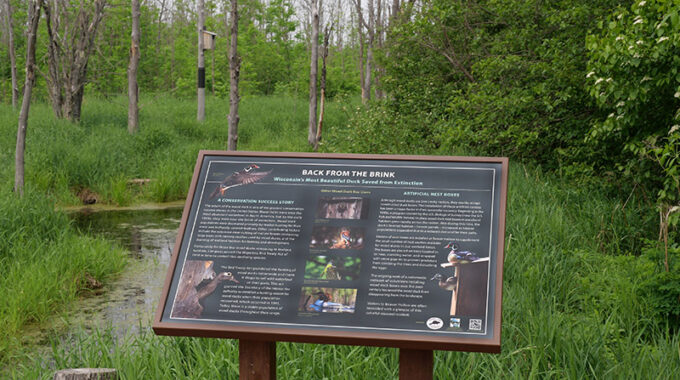
The interpretive sign newly installed on the second boardwalk platform at Beaver Hollow tells the story of the near extinction and eventual recovery of the wood duck.
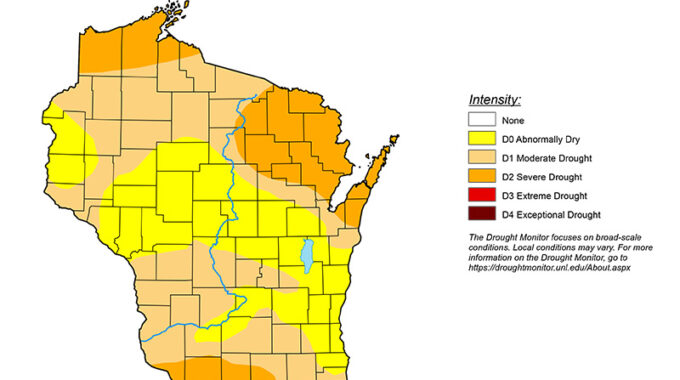
Currrently,100% of Wisconsin is experiencing drought conditions. Beaver Hollow is in the severe drought category (D2).
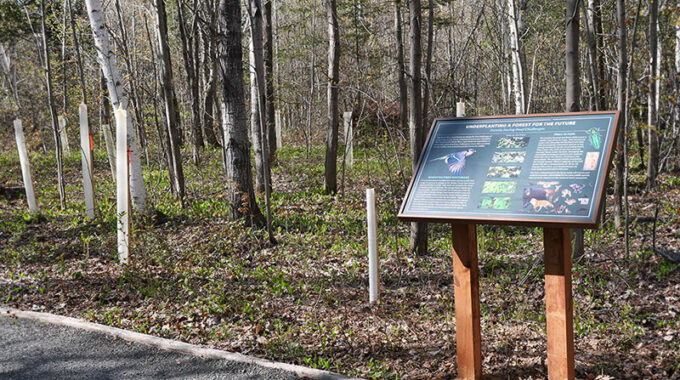
The wetland forests in the headwaters of the North Pikes Creek watershed, like other northern Wisconsin forests, are facing the dual challenges of a warming climate and an imminent infestation of an invasive insect – the emerald ash borer. The Friends of the North Pikes Creek Wetlands organization is proactively addressing these challenges.
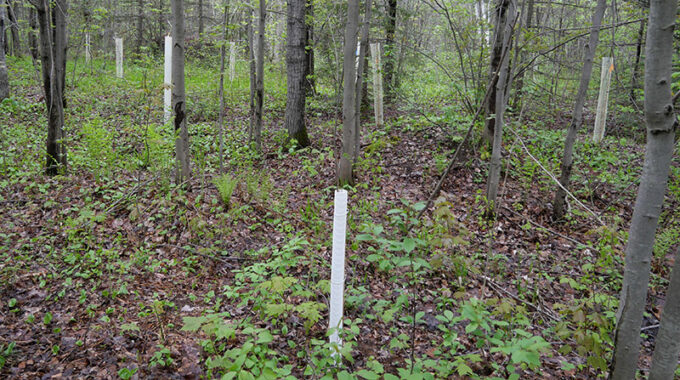
More than 50 volunteers from four organizations - the Friends of the North Pikes Creek Wetlands, Superior Rivers Watershed Association, Trout Unlimited Great Lakes Program, and a Northland College Ecological Restoration class - came together over the weekend of May 10-12 to plant 800 trees in the wetland forest surrounding the North Pikes Creek headwaters.

Earth Day, April 22 each year, commemorates the anniversary of the birth of the modern environmental movement.
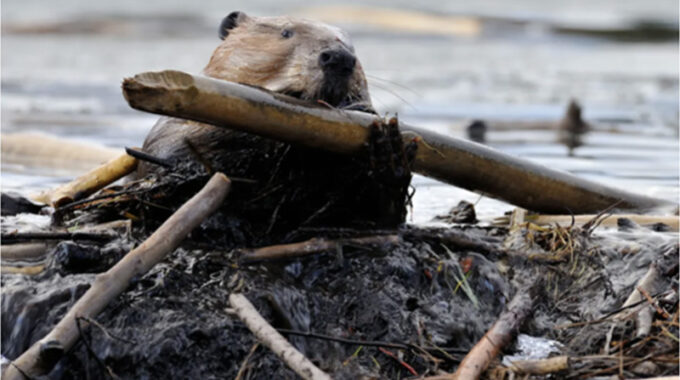
World Water Day is celebrated annually on March 22nd. It's a day to unite around efforts to advocate for change to solve water issues. Our rivers, lakes, and wetlands are an extraordinary resource that provides everything from habitat for wildlife and plants, drinking water for people, and water to grow our crops.

The forests surrounding North Pikes Creek are faced with the multiple challenges of a warming climate and an imminent invasive pest infestation. The FNPCW organization is working proactively to address these challenges, and to help our forests remain healthy and continue to provide homes for wildlife.