What Happens to Wildlife in Winter?
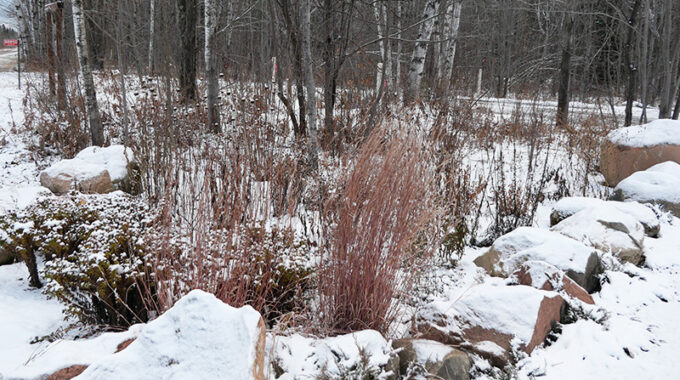
Winter habitat at the Beaver Hollow wetlands
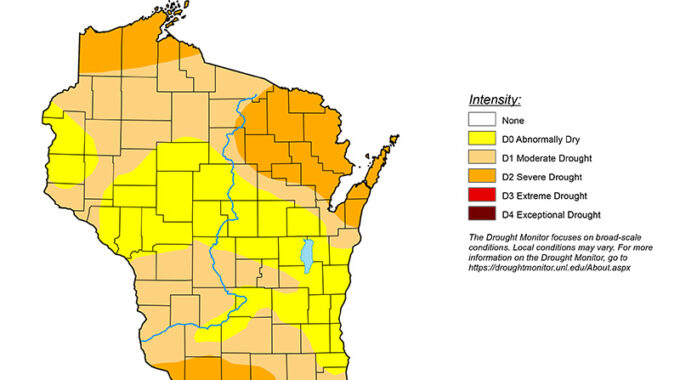
Currrently,100% of Wisconsin is experiencing drought conditions. Beaver Hollow is in the severe drought category (D2).

Join us on Thursday, October 10th, at the South Shore Brewery Taphouse in Washburn at 5:30 pm for the Friends' Annual Membership meeting. Free pizza and beer will be served. The 2024 annual membership meeting will be held, followed by…
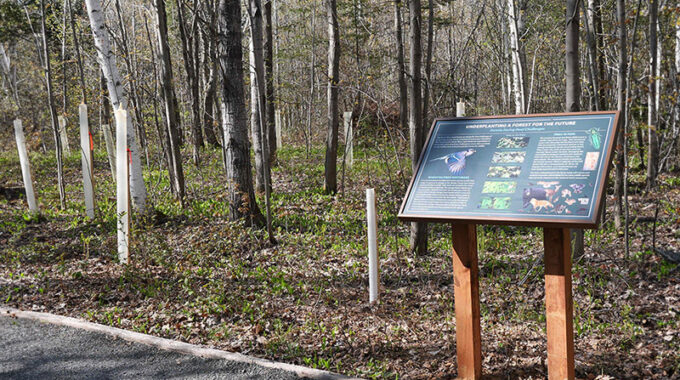
The wetland forests in the headwaters of the North Pikes Creek watershed, like other northern Wisconsin forests, are facing the dual challenges of a warming climate and an imminent infestation of an invasive insect – the emerald ash borer. The Friends of the North Pikes Creek Wetlands organization is proactively addressing these challenges.
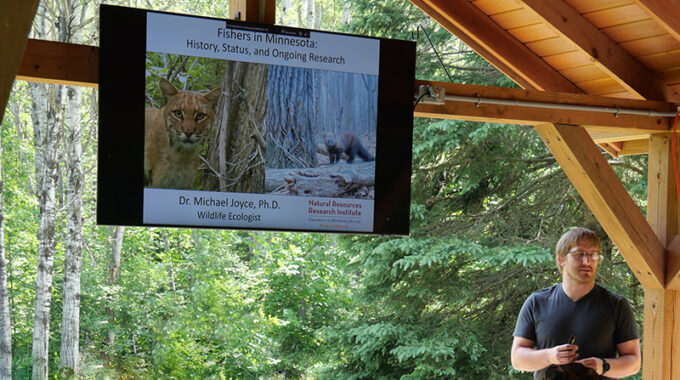
Fishers are rarely, if ever, seen by hikers walking through the woods. The public generally knows very little about these shy creatures. Dr. Michael Joyce, Wildlife Ecologist at the Natural Resources Research Institute in Duluth, shared information on the long-term research being done at the Institute on Fishers.
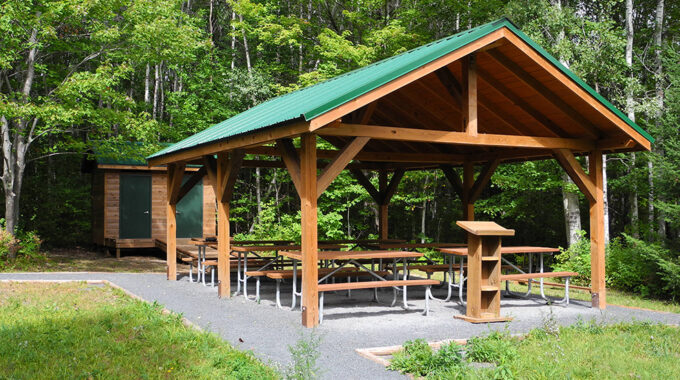
Four exceptional presentations will be held this summer at Beaver Hollow. Mark your calendars today so you won't miss these opportunities. The presentations for July are detailed below. Registration is recommended, but not required. It helps us with event planning.
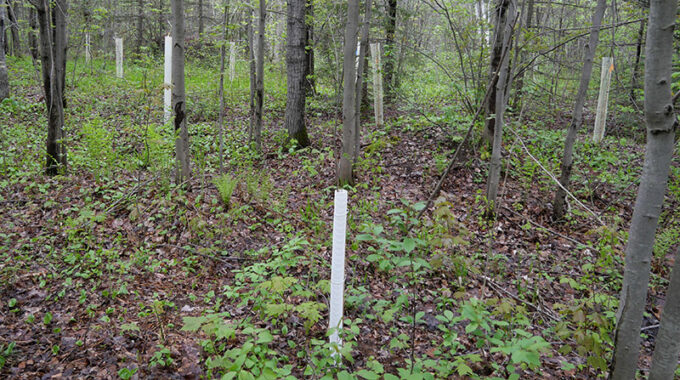
More than 50 volunteers from four organizations - the Friends of the North Pikes Creek Wetlands, Superior Rivers Watershed Association, Trout Unlimited Great Lakes Program, and a Northland College Ecological Restoration class - came together over the weekend of May 10-12 to plant 800 trees in the wetland forest surrounding the North Pikes Creek headwaters.

The observance of American Wetlands Month each May was begun in 1991 by the Environmental Protection Agency to acknowledge the value of wetlands as a natural resource.

Earth Day, April 22 each year, commemorates the anniversary of the birth of the modern environmental movement.
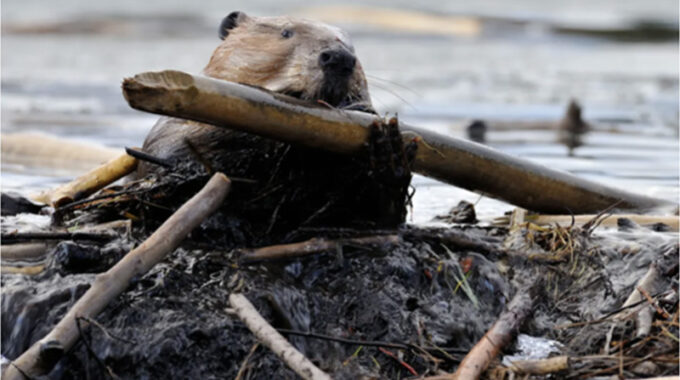
World Water Day is celebrated annually on March 22nd. It's a day to unite around efforts to advocate for change to solve water issues. Our rivers, lakes, and wetlands are an extraordinary resource that provides everything from habitat for wildlife and plants, drinking water for people, and water to grow our crops.