You have the opportunity to let the DNR know that you support beavers!

Dr. Emily Fairfax’s Presentation to the WDNR Beaver Management Plan Committee
Dr. Emily Fairfax’s presentation is now available for public viewing! We have trimmed the pre-presentation dialogue and the Q&A session at the end and posted it on FNPCW’s YouTube page. Watch the video. You will not be disappointed!
https://www.youtube.com/watch?v=c0emJURPQBE
Dr. Emily Fairfax, an ecohydrologist, beaver researcher, and Assistant Professor of Geography, Environment & Society at the University of Minnesota, presented “Wisconsin’s Beavers: Balancing Benefits and Conflict Management,” to the WDNR Beaver Management Planning Committee on January 21st.The Committee is tasked with updating the state’s 2015-2025 Beaver Management Plan. The challenge to the Committee is designing a plan that will benefit the human population, while simultaneously taking advantage of beavers’ extensive natural ecosystem engineering skills. Fairfax highlights the need for both new and continuous research within the state considering the swiftly evolving climate conditions. Of particular note is Fairfax’s discussion of barriers to beaver management plan changes, the need to collect, analyze and publish scientific data in our midwest region, and the urgent need to move forward to stem biodiversity loss.
Why We Need Updated Science

“Our climate is changing, and ‘normal’ isn’t what it used to be.”
Dr. Fairfax’s presentation details the changing climate conditions that have been occurring since 1950, and continue today. The climate is warming, winters are shorter and wetter, summers are drier, temperatures are hotter, and storms are flashier – exacerbating both flooding and drought. The Bayfield-Ashland area has seen a series of 100- and 500-year storms in the last 10 years that have caused extensive damage to stream channels and human infrastructure. The warming climate has caused major changes in wetland hydrology and water temperatures, sediment and nutrient loads, invasive species, and composition of plant communities.
These significant changes occurred during, and after, the foundational papers on beaver and trout were written. Studies from 75, or even 10 years ago, are no longer accurate today, and need to be revisited as the context is different. Although earlier studies laid important groundwork, they are now considered outdated due to new environmental challenges. Current research indicates that the relationship between beavers and trout is much more complex and often more beneficial for ecosystem resilience than previously believed. There is an urgent need to rigorously collect, analyze, and publish current data to help develop sustainable approaches that benefit both nature and local communities as climate conditions continue to change.
There’s a Beaver for That!

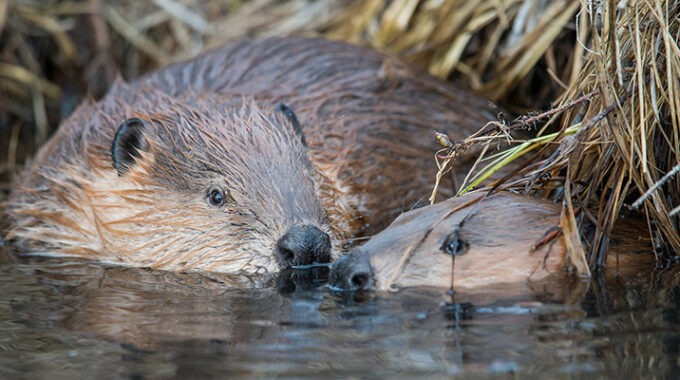
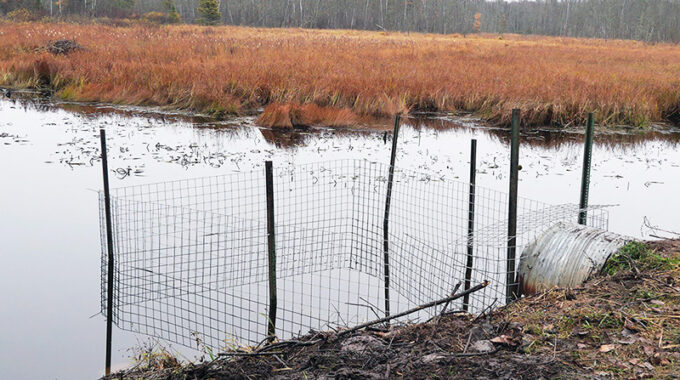
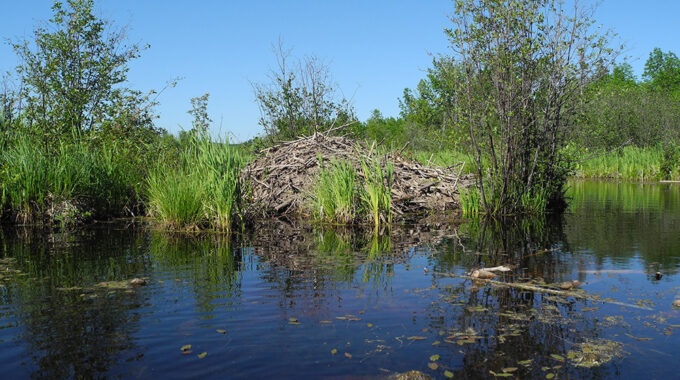
Beavers can be our partners and make our wetlands more resilient to climate fluctuations. It is universally accepted that beaver wetlands are more resistant to climate fluctuations than any other wetland type. Their wetlands are unique, and these wetland engineers are on duty all day, every day, year-round, to keep them in good repair. When beavers and their dams are removed from watersheds, the “speed bumps” that normally slow down the flashier storms are no longer in place to slow flood surges, ultimately eroding stream banks, distributing sediment downstream, and causing infrastructure damage. Beaver wetland complexes function to spread the storm water across the landscape, slowing the water flow and force, and protecting stream channels and human infrastructure. And during drought, beaver ponds and wetlands provide reliable, consistent habitat for a myriad of other species, including trout! Let’s keep these partners on the landscape doing what they do best – creating and managing complex wetland habitats that are home to 75-80% of all other species in Wisconsin.
Photos courtesy Dr. Emily Fairfax.
Related Posts